
Most people associate stress with mental exhaustion, but stress can also have a noticeable impact on your skin. From acne breakouts to dullness and irritation, long-term stress may affect the way your skin looks and feels.
Understanding this connection can help you take better care of both your skin and overall health.
The Connection Between Stress and Skin
When the body experiences stress, it releases hormones such as cortisol. High cortisol levels may:
- Increase oil production
- Trigger inflammation
- Affect the skin barrier
- Slow down skin healing
This is why stressful periods are often linked to sudden skin problems.
Common Skin Problems Linked to Stress
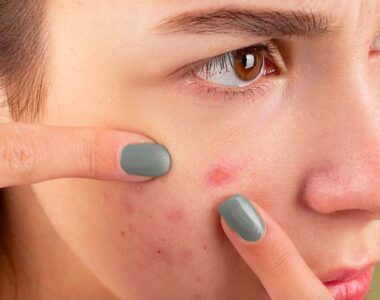
Acne Breakouts
Stress may stimulate oil glands, increasing the risk of clogged pores and acne flare-ups.
Dry or Sensitive Skin
Stress can weaken the skin barrier, making the skin feel irritated or dehydrated.
Dull Complexion
Poor sleep and chronic stress may reduce blood circulation, causing tired-looking skin.
Eczema and Psoriasis Flare-Ups
People with certain skin conditions may notice symptoms worsening during stressful periods.
Signs That Stress May Be Affecting Your Skin
You may notice:
- More frequent breakouts
- Increased redness
- Skin sensitivity
- Itching or irritation
- Dark circles under the eyes
These symptoms do not always mean stress is the only cause, but stress can contribute significantly.
Simple Ways to Reduce Stress-Related Skin Problems
1. Improve Sleep Quality
Sleep helps the skin recover and repair itself naturally.
2. Stay Physically Active
Regular movement may help reduce stress hormones and improve circulation.
3. Avoid Overloading Your Skin
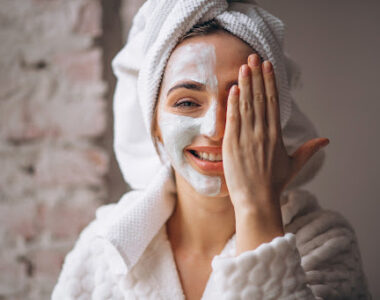
Using too many skincare products can further irritate stressed skin.
4. Eat Balanced Meals
Healthy nutrition supports both mental wellness and skin health.
5. Practice Relaxation Techniques
Meditation, breathing exercises, or even short daily walks may help lower stress levels.
Can Stress Cause Permanent Skin Damage?
Stress alone usually does not permanently damage the skin, but chronic stress combined with poor habits may accelerate skin aging and worsen existing conditions over time.
Managing stress early may help reduce long-term effects on the skin.
Final Thoughts
Healthy skin is influenced by more than skincare products alone. Sleep, emotional health, stress management, and daily habits all play an important role in maintaining clearer and healthier-looking skin.